On this page
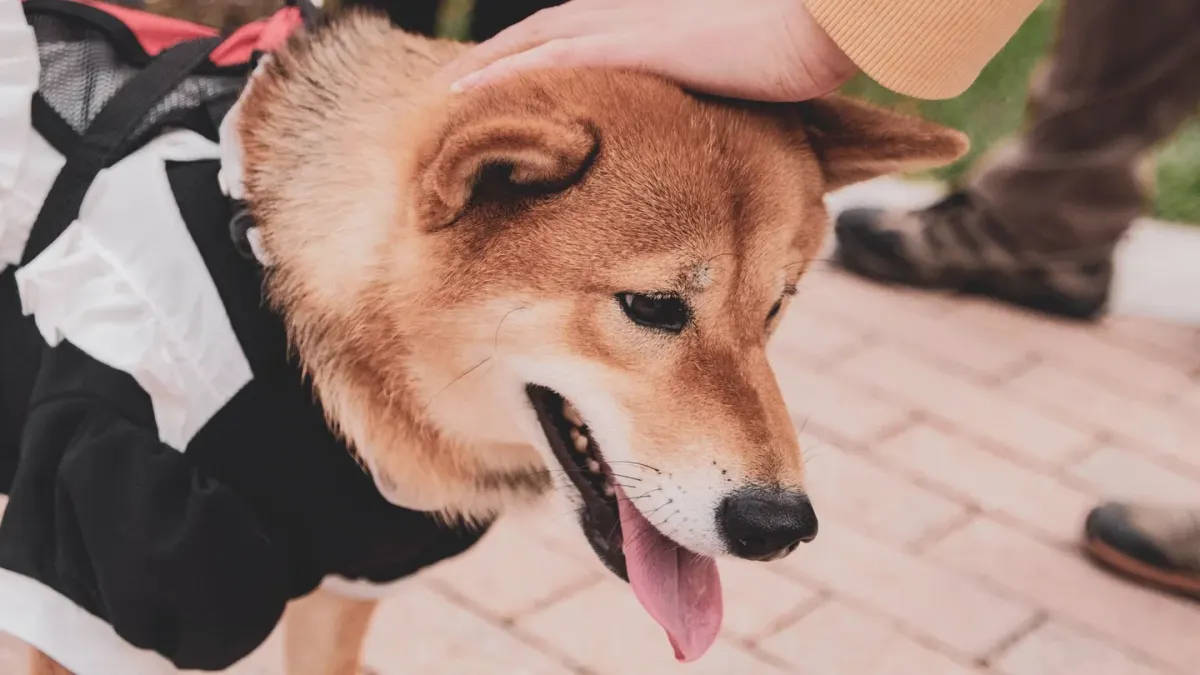
A Shiba Inu named Momo taught me more about the word “stubborn” than any textbook did. Her owner, a nurse working overnight shifts, brought her in at eleven months old, frustrated that Momo would sit beautifully in the kitchen and then act deaf the second they hit the sidewalk. She’d tried treats, she’d tried a firmer voice, she’d even tried a slip lead a neighbor recommended. Nothing stuck. What changed things wasn’t a new tool — it was rebuilding the whole session around what Momo actually found worth working for outdoors, which turned out to be a squeaky ball, not chicken.
The label “stubborn” is doing you a disservice
Owners use “stubborn” to describe a dog who understands a cue and doesn’t comply. But in my exam room, that word almost always covers up one of three real things: the dog hasn’t generalized the behavior to a new environment, the reward isn’t competitive with what’s distracting her, or the dog is anxious or overstimulated and simply can’t process a request right now. Breeds like Shibas, Basenjis, Afghan Hounds, and Chow Chows get called stubborn constantly, but the American Kennel Club: AKC notes that independent breeds simply aren’t wired to work for approval the way a Border Collie is — they need a reason that’s meaningful to them personally, not vague praise.
That distinction matters because it changes what you fix. A dog who’s confused needs more reps in more places. A dog who’s under-motivated needs a better reward. A dog who’s overwhelmed needs the environment turned down, not the pressure turned up.
Where I land, and why leash corrections aren’t part of my answer
I get pushback on this from owners who’ve had success with a firmer hand on other dogs. Here’s my honest position: for a genuinely independent breed, punishment-based correction is more likely to shut the dog down or damage trust than to produce reliable obedience, because these dogs are already predisposed to disengage when a request feels unrewarding or unpleasant. The American Veterinary Society of Animal Behavior has taken a clear stance here — its position statement holds that reward-based methods should be used for all training and behavior modification, and that aversive tools carry real risk of increasing fear and fear-related aggression rather than solving the underlying problem.
The counterargument I hear most is that a strong-willed dog needs a strong-willed correction to “respect” the handler. I understand the instinct. But in practice, what I see in dogs pushed that way isn’t more compliance — it’s more avoidance. They learn to dodge the handler’s hand, not to want to work with them. An independent breed that already isn’t chasing your approval has even less reason to re-engage after a correction. Short, well-paid, low-pressure sessions build the relationship that makes cooperation possible in the first place.
A practical sequence that respects how these dogs actually think
Structure the work in this order, and keep each session under five minutes.
- Find the real currency. Skip the training treats for a week and test what your dog will work hardest for — a squeaky toy, a scrap of rotisserie chicken, thirty seconds of tug. Independent breeds often aren’t food-driven the way a Labrador is.
- Train in the easy room first, then move it. A sit that’s rock-solid in the kitchen may fall apart on the sidewalk. Don’t call that failure — call it the next rep. Rebuild the behavior in each new location from scratch, at a lower distraction level than you’d expect.
- Keep criteria honest. Reward the attempt, not just the perfect version, especially in a new environment. This is where owners get frustrated fastest — they expect indoor-level precision outdoors on day one.
- End before the dog checks out. Two or three clean reps and stop. A dog who disengages at rep four learns that training ends in frustration; a dog who stops at rep two while still interested comes back wanting more next time.
- Layer in real-life practice. Ask for a sit before the leash goes on, before the food bowl goes down, before the door opens. This teaches an independent dog that engaging with you routinely gets her what she wants anyway — no separate “training time” required.
What this looked like with Momo
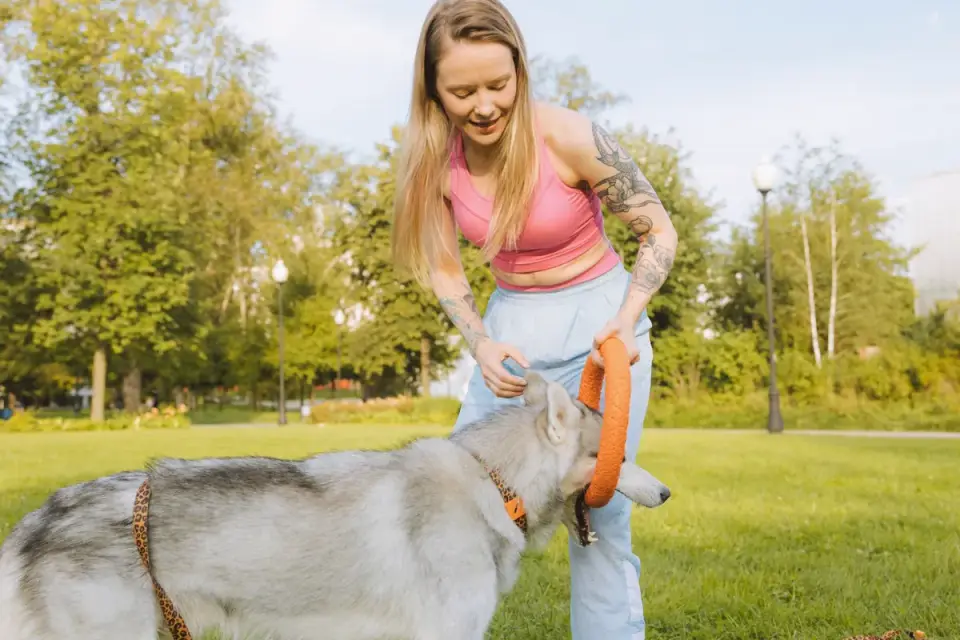
By week three, Momo’s owner wasn’t using treats at all outdoors — she was using thirty-second bursts with the squeaky ball, capped at three reps per outing, and she’d stopped expecting sidewalk performance to match kitchen performance. Momo started offering sits at the door on her own, unprompted, because she’d learned that engaging with her owner was reliably worth it. That’s the shift I look for clinically: not a dog performing under pressure, but a dog choosing to check in because the pattern has been consistently worth her while. It’s a slower build than a correction-based approach promises, and I tell owners that up front — most independent breeds need four to eight weeks of short, consistent sessions before you see that voluntary engagement show up reliably. It’s also the version that holds up once the leash comes off and nobody’s enforcing anything.
If your dog’s disengagement is sudden, or paired with signs like reduced appetite, altered gait, or apparent pain, treat that as a reason to call your veterinarian rather than a training problem — a dog who’s hurting will look “stubborn” long before she looks sick.
This approach isn’t unique to adult independent breeds. The same logic — motivation before repetition, easy environment before hard one — carries into puppyhood; see How to Potty Train a Puppy: A Realistic, Week-by-Week Approach for how it applies to housetraining specifically, and Why Housetraining an Adult Rescue Dog Isn’t Just Puppy Training All Over Again for dogs arriving with an unknown history. If you’re still deciding how to build your marker system before you start any of this, Clicker vs Verbal Marker Word: Which One Should You Actually Use? is worth reading first. And if a dog’s disengagement seems more about excess energy at the door than distraction outside, How to Stop a Dog From Jumping on People tackles a closely related motivation problem.
Bottom line: an independent dog isn’t defying you — she’s deciding whether your request beats whatever else is going on, and your job is to make sure it does, session after short session, until checking in with you becomes her default.
Frequently asked questions
Are some dog breeds actually harder to train, or is that a myth?
Some breeds, including Shibas, Basenjis, and Afghan Hounds, are bred for independent decision-making rather than for working closely with a handler, so per the AKC they typically need a stronger personal motivator and more patience, not more pressure, to train reliably.
Should I use a prong or e-collar on a stubborn dog?
The American Veterinary Society of Animal Behavior recommends reward-based training for all dogs and advises against aversive tools, since they carry documented risk of increasing fear and fear-related aggression rather than resolving the root cause of disengagement.
How long should a training session be for an independent breed?
Keep sessions to about five minutes or less, ending on a successful rep while your dog is still interested, rather than running repetitions until she checks out.
Sources
- Position Statements and Handouts (for the public) — American Veterinary Society of Animal Behavior
- Dog Training Tips: 13 Pieces of Advice From Top Dog Trainers — American Kennel Club