
On this page
Most dogs check out after three to five focused minutes, so a long evening session teaches less than three short reps spread through the day. Plan for that short attention baseline, keep expectations preventive, and use training to support calm behavior rather than perfect obedience on day one.
The limit is focus, not free time
Dogs learn in brief bursts followed by rest, play, or sniffing. Push past that window and you get yawning, sniffing the ground, missed cues, and slower recall next time. Stop while your dog is still succeeding and you protect motivation for the next rep.
Vets often see owners blame themselves for missing a 30-minute block. In practice, consistency matters more than duration. Two minutes before breakfast, two minutes at a doorway, and two minutes on a walk add up to real learning across a week.
Francisco noticed this with Argos, his 6-year-old neutered male Cavapoo in Fargo. Argos broke his sit every time the front door opened. Francisco switched to four 90-second doorway reps per day for 14 days, rewarding four calm sits with a treat toss back inside, and the breaking dropped to about once per week.
Myth versus reality for busy owners
Myth: you need a quiet room and 20 uninterrupted minutes. Reality: normal household moments already cue behavior. Doorways cue waiting, meals cue settling on a mat, leashing cues standing still, and walks cue checking in.
Keep one skill per micro-session. Name it, repeat it three to five times, then release. Mix sits, downs, recalls, and loose-leash turns across the day instead of drilling one cue until your dog fades.
Use reward-based methods that support learning without fear or pain. The American Veterinary Society of Animal Behavior recommends humane, reward-based training as the first choice for behavior and welfare, which fits short sessions well because food, play, and praise keep reps fast and low-stress.
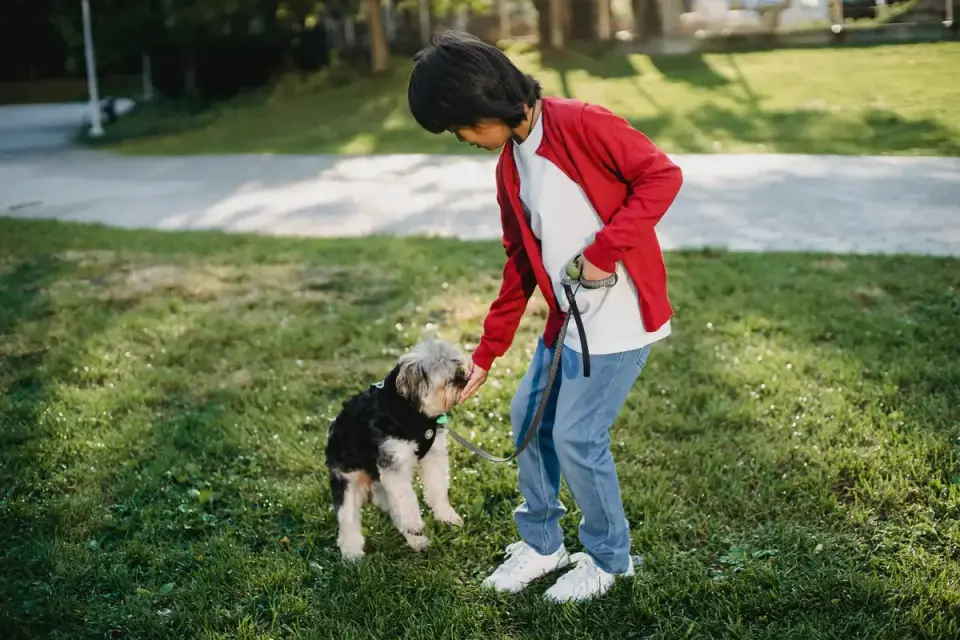
A 10-minute day in three short sessions
Pick anchor moments you already do. No extra scheduling needed.
1. Morning meal: 3 minutes for settle. Pour kibble, ask for a mat settle, reward quiet lying for 5 seconds, then 10 seconds, then release to eat. Do four reps. Reset calmly if your dog pops up.
2. Doorway or hallway: 3 minutes for wait. Leash in hand, ask for sit, crack the door two inches, reward eye contact, close if paws lift. Repeat five times. End on a success, even if the door only opened halfway.
3. Walk break: 3 minutes for check-in. Walk 20 feet, stop, mark and reward when your dog turns toward you. Add one recall from 10 feet on a long line. Keep treats small and deliver low to keep arousal down. The American Kennel Club outlines the same building blocks — mark, reward, short reps, and gradual distance — for recall and loose-leash skills.
Track only what you need: date, skill, and wins out of five tries. Move on when you get four out of five across two days, then add one small distraction. For treat mechanics and pouch setup, see How to Use a Treat Pouch Effectively.
When short sessions are the wrong call
Short daily reps will not fix panic, biting, or sudden behavior change alone. Fear at the vet, separation distress, resource guarding, or a new adult rescue shutting down in a busy home need a slower plan and often professional help.
Pause self-training and call your veterinarian or a qualified behavior professional if you see growling over handling, lunging that you cannot interrupt with food, or house-soiling tied to anxiety. Rescue transitions differ from puppy routines, as explained in Why Housetraining an Adult Rescue Dog Isn’t Just Puppy Training All Over Again. For comparing formats of help, see Group Classes vs. Private Training vs. Online Dog Training: How to Choose.
Aim for calm, repeatable behavior across two to four weeks. That timeline may help support steady habits without promising a new dog by Friday.
Sources
- Position Statements — American Veterinary Society of Animal Behavior
- Dog Training Advice — American Kennel Club