On this page
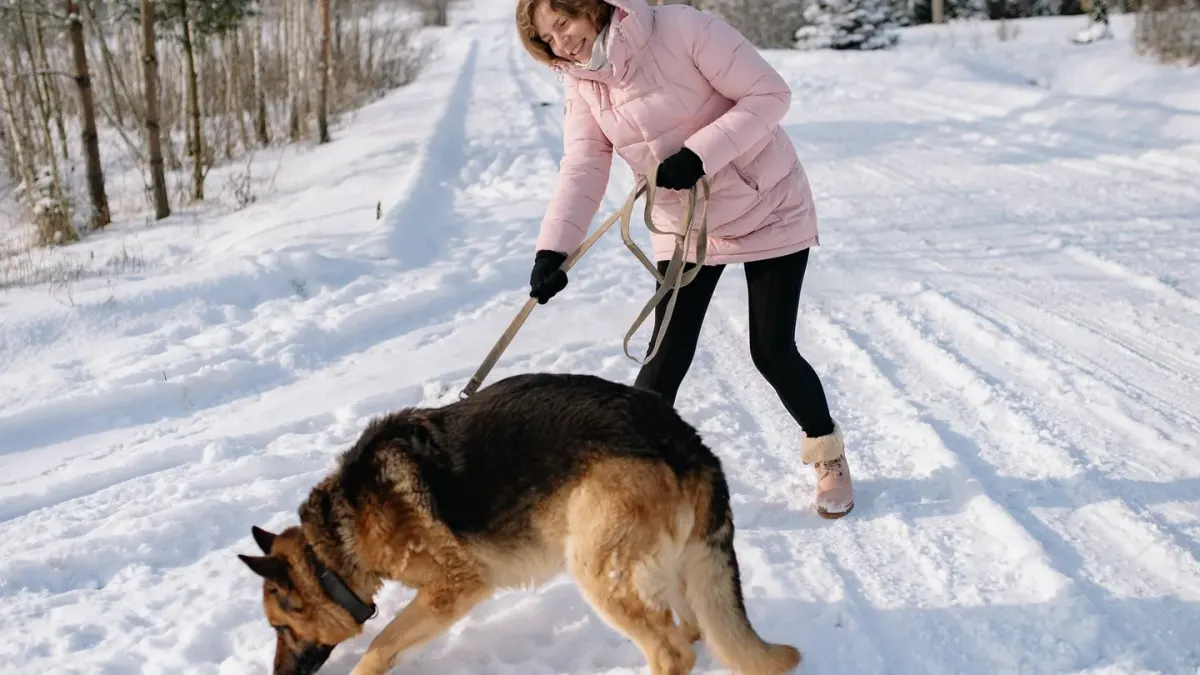
Your garden looks easy, but for your dog it is full of competing choices: scents, sounds, space to run, and no leash pressure to steer toward you. Expectation first: a reliable recall is not instant obedience, it is a habit built in small wins that may help support a calmer, safer response over time.
Your same-day checklist for garden recall
- Pick one cue word and protect it — use it only when you can follow through
- Start at 6 to 10 feet with almost no distractions, not across the whole garden
- Reward every return with something your dog actually wants, delivered at you
- Keep sessions to 2 to 3 minutes, 5 to 10 recalls, then end with play
- Add distance, distraction, or duration one at a time — never all three
- If your dog does not turn, go get them kindly rather than repeating the cue
Once that list is in place, the steps below show how to use it without confusion.
Why does the garden make recall harder than it looks?
The surprising limit is freedom without a plan. Inside, walls and routine do half the work. In the garden, your dog can choose sniffing, barking at the fence, or chasing a squirrel — and each choice is self-rewarding. That does not mean stubbornness. It means your baseline needs to be lower than you think.
Vets often see this pattern with adult dogs who “know it” indoors but stall outdoors. Take Shasha, a 9-year-old spayed female Miniature Dachshund mix living with Michele in Stamford, Connecticut. Shasha would come quickly from the kitchen to the living room, but froze at 20 feet in the garden when a chipmunk ran the fence. Michele weighed calling louder against walking in to reset. Walking in and restarting at 8 feet with higher-value food rebuilt the response in about two weeks of short sessions.
Short distance and low distraction let you pay for the right choice often enough that returning becomes the easy default.
Myth versus reality: what a “reliable” garden recall really is
Myth: a reliable dog comes on the first word every time, even mid-chase. Reality: a reliable garden recall means your dog turns and moves toward you quickly on most first cues under conditions you have actually practiced.
That distinction matters for safety and for training choices. The American Veterinary Society of Animal Behavior supports reward-based methods as the first-line approach for teaching behaviors like recall, because they build association without fear or fallout. This is where I am decisive: start with positive reinforcement, short distances, and a high rate of reward.
Where does the alternative win? Leashes, long lines, and fences manage risk while learning is incomplete. They win on safety every time. A 15- to 30-foot long line in the garden lets you prevent a run-off without yanking or shouting. What management stops winning at is learning. It does not teach the dog to choose you. Only paid repetitions do that.
If you want the mechanics for other foundation cues taught the same way, the steps for How to Teach a Dog to Sit: The Method That Actually Sticks and How to Teach a Rock-Solid Stay use the same short-session, high-reward structure.
How do rewards change the behavior?
Food, play, and praise strengthen the turn-and-run-to-you sequence when they happen right at you, within 1 to 2 seconds. Deliver the treat at your legs, not tossed away. That placement teaches “close counts.”
Why not repeat the cue?
Repeating “come, come, COME” teaches your dog to wait for the third or fourth call. Say it once. Pause. Smile, crouch slightly, open your arms. If there is no turn within 3 seconds, go closer, reduce distraction, and try again at an easier distance.
Short sessions prevent fatigue. That is the whole point.
The garden sequence you can do today
Work this in order. Stay at each step until you get 8 out of 10 quick responses before making it harder. Most teams need 1 to 2 weeks per step with daily practice.
Step 1: Charge the cue at close range
Pick one word — “come” or “here” — and keep everyone in the house consistent. With your dog 6 to 10 feet away in a boring corner of the garden, say the cue once in a bright tone, then back up two steps. When your dog moves toward you, mark with “yes” and feed three small treats in a row at your feet. Repeat 5 times.
Keep your body inviting. Side-on or crouching beats looming and reaching.
Step 2: Add small distance, then small distraction
Move to 12 to 15 feet. Practice when your dog is mildly occupied, not locked onto wildlife. Call once, reward at you, then release with “go play.” That release keeps recall from meaning “fun ends.” VCA Hospitals describes the same pattern: call, reward on arrival, then allow a return to activity so coming does not predict confinement.
If your dog struggles, shorten distance before you raise your voice.
Step 3: Practice the turn-away
This is the skill that predicts real life. While your dog is sniffing a few feet away, call once. Reward the head turn even if the full run is slow at first. Build to calling from behind a garden chair or raised bed so your dog learns to orient by voice.
Two minutes counts. End while your dog still wants more.
Step 4: Proof with real garden moments
Add one realistic challenge at a time: a tossed toy on the ground, a family member walking nearby, or practice just before meals when motivation is high. Use a long line for safety near open gates. If you lose two in a row, drop back a step. Progress is not linear.
Dogs who already know playful movement cues often learn the turn faster. A short spin or bow can reset focus between reps — see How to Teach a Dog to Spin (Without Losing the Behavior You Already Built) and How to Teach a Dog to Take a Bow for low-pressure ways to keep sessions upbeat.
When should you pause and change the plan?
Pause escalation if your dog barks nonstop, freezes, pants heavily, or sprints the fence line. Those signs point to over-arousal or anxiety, not disobedience. Move indoors, lower the criteria, or work at a quieter time of day.
Keep it preventive. Puppies and seniors need shorter distances and softer surfaces. Older dogs with stiff joints may find a fast run painful, so reward a willing walk-in just as well. If recall suddenly worsens, or hearing or mobility seems changed, book a checkup to set a new baseline before pushing training.
What part of your garden pulls your dog most? Train at half that distance first, and let reliability grow outward from there.
Frequently asked questions
How many times a day should I practice recall in the garden?
Aim for one to three short sessions of 2 to 3 minutes, with 5 to 10 recalls each. Frequent, successful reps build habit faster than one long session.
What if my dog only comes for food?
That is a normal early stage. Mix food with play, praise, and a release back to sniffing, then vary the reward so returning predicts good outcomes, not just one biscuit.
Should I use a long line in a fenced garden?
Yes while you are proofing distractions or if gates open often. It prevents self-rewarding run-offs and lets you guide kindly without repeating the cue.
Sources
- Humane Dog Training Position Statement — American Veterinary Society of Animal Behavior