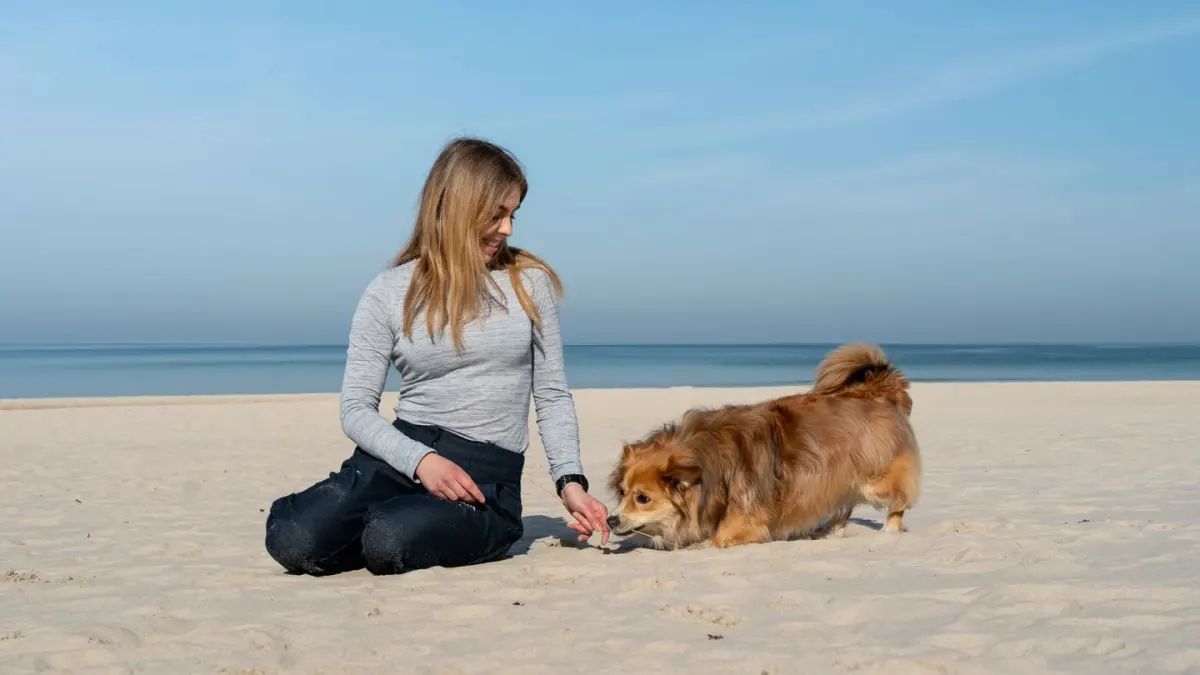
Trainability is not a fixed rank inside a breed. It is the match between a dog’s motivation, arousal level, and sensitivity and the routine you can repeat every day.
The limit breed lists rarely name is this: a fast-learning dog that needs two hours of activity will look untrainable with two ten-minute walks. Expectation first — if your week allows short, consistent sessions plus sniffing, chewing, and rest, a biddable temperament may help support steady learning. If it does not, that same bright dog will rehearse jumping, barking, and counter-surfing instead.
Learning follows the same biology in every dog. Reward timing builds connections, repetition builds reliability, and fatigue, pain, fear, and inconsistent cues slow the process. A calm baseline supports attention. Chronic over-arousal blocks it.
Why a top-ten breed can still feel hard to train
The myth says some breeds obey on the first ask while others cannot learn. The reality is narrower. Trainability in pet homes usually means high food or play motivation, comfort with novelty, and quick recovery after a startle or mistake.
Border Collies, Labrador Retrievers, Golden Retrievers, Poodles, and Shetland Sheepdogs often earn the label because they were selected for cooperative work with people. They check back naturally, tolerate repetition, and re-engage after a break. Guidance from the American Veterinary Society of Animal Behavior explains why reward-based methods protect that willingness and keep stress low during learning.
Independent breeds are not untrainable. They were selected to work at a distance and make decisions without direction. That autonomy can look stubborn in a kitchen session, yet the same dog may learn quickly when the reward fits the function, such as sniffing, tracking, or problem-solving. The plan described in Everyday Dog Guide Independence suits that pattern better than repeating a cue louder.
My position is direct: match energy, motivation, and sensitivity to your household first, then consider breed. What would change my mind is controlled evidence that breed alone predicts pet-home obedience after accounting for age, exercise, socialization, and method. Current evidence does not show that. Consistency and daily management explain far more difference.
What predicts an easier learner in a busy home
Forget ranking breeds one to ten. Look for structure-and-function traits that support learning under normal home conditions.
Motivation you can afford to repeat
Food-motivated dogs often learn a new cue in fewer repetitions because you can deliver many pea-sized rewards in a three-minute session. Toy-driven dogs learn well too when you have room to play. Ask the shelter or breeder what the dog works for, how quickly the dog settles afterward, and whether the dog will still take food in a new room. A dog that will not eat outdoors is usually over threshold, not defiant.
A middle-range baseline
Very high-arousal adolescents struggle to think through excitement. Very fearful dogs hesitate to offer new behavior. Most first-time households do best with a dog that notices novelty, then recovers within seconds and reorients to the handler. Practical training overviews from the American Kennel Club stress short sessions, clear criteria, and immediate rewards, which work best when arousal starts in that middle range.
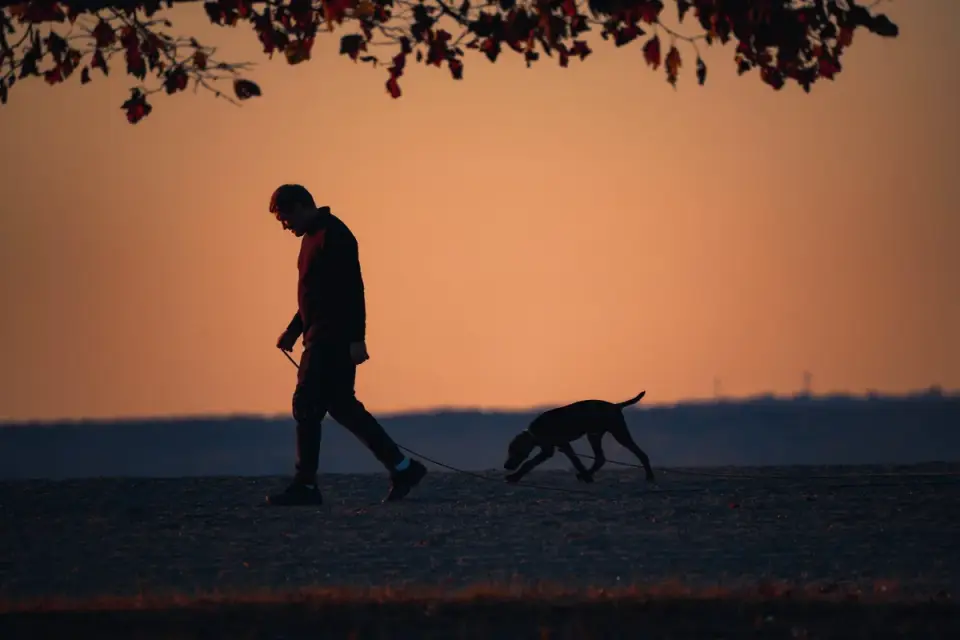
That recovery speed matters more than size or coat.
Sensitivity without shutdown
Trainable dogs notice small shifts in body position and tone. They pause when you pause. Raised voices, leash jerks, and long corrections tend to suppress experimenting, which slows learning. Low-stress handling, brief wins, and rest between repetitions keep that sensitivity working for you.
Health shapes all of this. Pain, itchy skin, gastrointestinal upset, poor sleep, and adolescent hormonal change can raise reactivity and lower interest in food. Vets often see a sudden drop in responsiveness trace back to a medical baseline issue rather than attitude. Clear that baseline first, then judge speed. For normal pace, the detail in Everyday Dog Guide Timeline gives a useful reference point.
A same-day sequence to test fit
Use this sequence when you meet a puppy or rescue, or when you reassess the dog already on your couch.
Start by auditing your routine on paper. Write walk minutes, alone hours, training minutes, and who trains. Most pet dogs progress well on two to three sessions of three to five minutes plus one sniffy walk and puzzle feeding. If your honest total is fifteen minutes a day, favor a calmer adult over a high-drive puppy, even when the puppy breed is famous for obedience.
Then run a three-minute food test. Mark and reward eye contact five times, then add a simple hand touch. Count willing repetitions before the dog wanders, offer a sniff break, and see whether the dog re-engages. An easier fit eats readily, tries again after a mistake, and settles quickly.
A middle-energy dog that recovers fast will beat a brilliant dog you cannot exercise. What could one well-matched week of short sessions and enough rest show you about your own dog?
For related context, read Why Housetraining an Adult Rescue Dog Isn’t Just Puppy Training All Over Again.
For related context, read How Long Does It Take to Train a Dog? A Realistic Timeline.
Sources
- Position Statements — American Veterinary Society of Animal Behavior
- Dog Training Basics — American Kennel Club