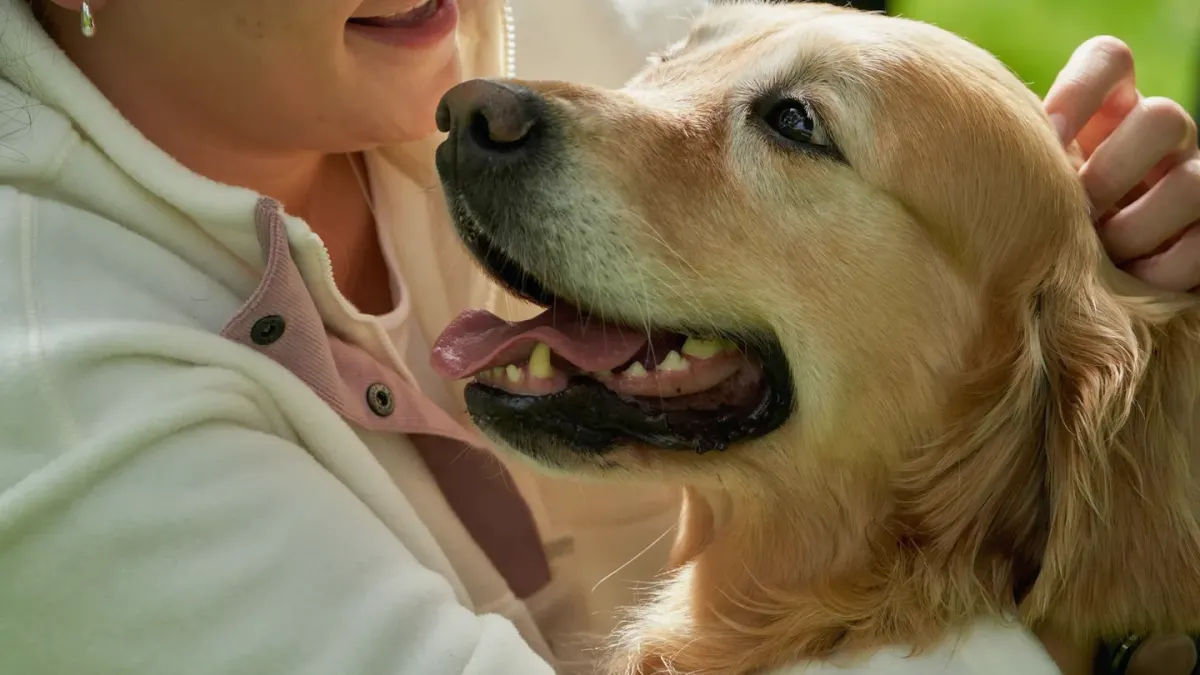
Watching an older dog hesitate at the doorway of a cute indoor dog house is hard, because the worry underneath is usually about pain, not disobedience.
The surprising limitation is that most indoor houses are designed for looks first. A high lip, a slick floor, and a puffy pillow may photograph well, but they ask a stiff or healing body to step high, grip hard, and sink without support. Comfort for an aging dog comes from access and stability, not extra coziness.
In practice, vets often see families do everything right after a diagnosis of arthritis and still miss the entry height. Guidance from VCA Hospitals describes how degenerative joint disease brings stiffness, reluctance to climb, and difficulty rising, which is exactly why a low threshold matters more than a roof shape. The American Kennel Club notes similar signs, including lagging on walks and trouble with stairs, and the Merck Veterinary Manual frames osteoarthritis as a chronic, managed condition where daily environment shapes comfort.
The pretty den myth
A common question is whether dogs feel safer with a small, enclosed opening. Many do, yet a small opening that forces a tuck, turn, or hop works against a sore neck, back, or hips.
Think structure and function for a moment. An arthritic shoulder prefers to walk straight in on level footing. A healing spine prefers no twisting to curl through a round door. A weak hind end prefers to stand and lie down without catching a foot on a sill. If the house demands athletic entry, the dog will simply stop using it, and rest becomes broken and restless.
Calvin noticed this with Pedro, his 13-year-old neutered male Miniature Australian Shepherd in Knoxville, Tennessee. Pedro would circle the new wooden den, rest his chin on the two-inch lip, and walk away to the kitchen rug. Once Calvin removed the raised sill and placed a flat, washable mat that extended about 18 inches past the entrance, Pedro began walking in on his own within three days.
What helps a stiff body settle
You do not need to build something elaborate. Look for these features, in this order.
1. A step-in, not a step-over Choose or adapt a house with an entry flush to the floor. A cut-down doorway, a removable front panel, or a fabric house with a fold-flat entrance helps maintain ease of movement. Test it with your hand. If you feel a ridge, your dog feels it more.
2. Floor grip inside and out Hard plastic and varnished wood are slippery for toenails. Add a low-pile, non-slip rug inside that does not bunch, plus a runner outside so the first two steps are secure. For whole-room traction ideas, this room-by-room senior proofing checklist walks through the same approach you would use around the house.
3. Firm, flat bedding sized to sprawl Soft and deep feels kind to us, but a stiff dog often struggles to rise from a nest that lets hips sink. A firm orthopedic pad that holds its shape may help support joints during rest, with a thin washable cover for incontinence or wound drainage. The guidance on bed firmness after back surgery explains how to press-test for support rather than softness.
4. Headroom to stand and turn slowly A house that is tall enough for your dog to stand without ducking, and wide enough for a wide, careful turn, protects the neck and back. Measure your dog from floor to top of head, then add a few inches rather than guessing.
5. Sides that open when recovery changes Post-surgical rest often needs frequent checks, medication, or a cone. A house with one side that lifts or unzips lets you reach your dog without dragging him out by the collar. If you are weighing restraint options, these cone alternatives for recovery at home show how access and calm fit together.
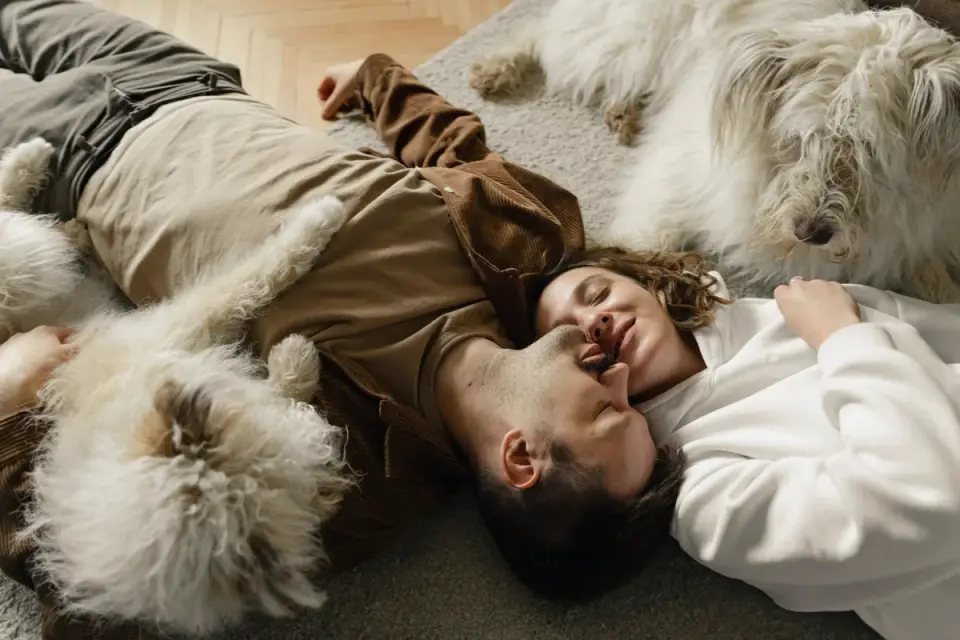
6. Quiet placement with a clear path Place the house where the family gathers but out of foot traffic, away from heater vents and drafty doors. Leave a straight, well-lit path for nighttime bathroom trips, with water nearby so a thirsty dog does not have to cross slick flooring.
7. Cleanable everything Aging and recovery bring accidents, shedding, and drool. Washable walls, a waterproof liner under the pad, and a second cover in the laundry help maintain a clean resting place that still smells familiar.
A short pause here helps. The goal is not a perfect den.
It is a place your dog chooses without being lifted, coaxed, or folded into shape.
Putting it together in an afternoon
Start by watching how your dog lies down. Dogs that drop straight down with front legs first often do well with a rectangular pad. Dogs that circle wide and sprawl need a larger footprint than the label suggests.
Then set the house on the final surface, not on a rug you plan to move later. Add the interior mat, place the firm pad, and sit beside it while your dog explores. Toss a treat just inside the threshold rather than deep in the back, so entry feels easy and exit stays clear.
For a giant breed or a tall senior who needs extra turning room, the same low-entry logic in this home setup for a giant breed in its senior years can help you scale the footprint without losing stability.
A skeptical friend might ask whether all this structure takes away the den feeling dogs love. It does not have to. A low front with slightly higher sides still feels sheltered, and a light blanket draped over part of the top keeps it dim while leaving entry open. Safety first, then softness.
If Pedro’s story sounds familiar, borrow the sequence. Lower the entry, steady the footing, firm up the bed, and give it a few quiet days. Quality of life often shows up in small choices, like walking in to rest without a pause at the door.
Frequently asked questions
Should an indoor dog house have a door for an older dog?
Most seniors do better without a rigid door. An open, low entry lets a stiff dog walk straight in without ducking or pushing, which may help support calm rest. Use a draped blanket for dimness if your dog likes a den feel.
What bedding works best inside an indoor house for arthritis?
A firm, flat orthopedic-style pad that holds its shape usually supports rising better than a deep, soft nest. Add a waterproof liner and a washable cover, and size it so your dog can sprawl fully on his side.
Where should I place the house during post-surgical recovery?
Place it in a quiet corner of a lived-in room with a straight, non-slip path to the door for bathroom trips. Choose a model with an opening side panel so you can check incisions and give medication without pulling your dog through a small doorway.
Sources
- Arthritis in Dogs — VCA Hospitals