Dogs do not walk into a mudroom and decide to be calm. They follow scent, motion, and habit, and a narrow entry concentrates all three. That is why the most useful way to organize this space is not more storage, but a clear sequence that supports clean skin, steady footing, and lower stress for both ends of the leash.
The surprising limitation is floor space and airflow. Most mudrooms are small, hard-surfaced, and noisy, with doors opening, keys jingling, and paws scrambling. In practice, vets often see dogs slip, panic at the dryer, or bolt past an owner juggling a leash and grocery bags. No basket system fixes that if the dog has nowhere to pause safely.
The myth: give them a bed in the corner and they will wait there
A soft bed looks inviting to us, but dogs repeat what has been reinforced in context. Without a defined pause spot, a cue to use it, and footing that feels secure, many dogs circle, jump up, or shake mud across the wall. Fear Free principles emphasize that emotional safety comes from predictability and choice, not just comfort, which is why guidance from Fear Free focuses on low-stress handling and gradual positive associations.
My position, grounded in day-to-day practice: build one pause station first, then add storage around it. I favor a low, washable mat with a non-slip base as the anchor because it supports traction, defines where paws get wiped, and may help maintain calmer entry behavior when paired with treats. What would change my mind would be controlled evidence that elevated cots or enclosed crates in small entries reduce slipping or stress more reliably. That evidence does not exist right now, and the current behavior literature still favors secure footing plus short, rewarded waits.
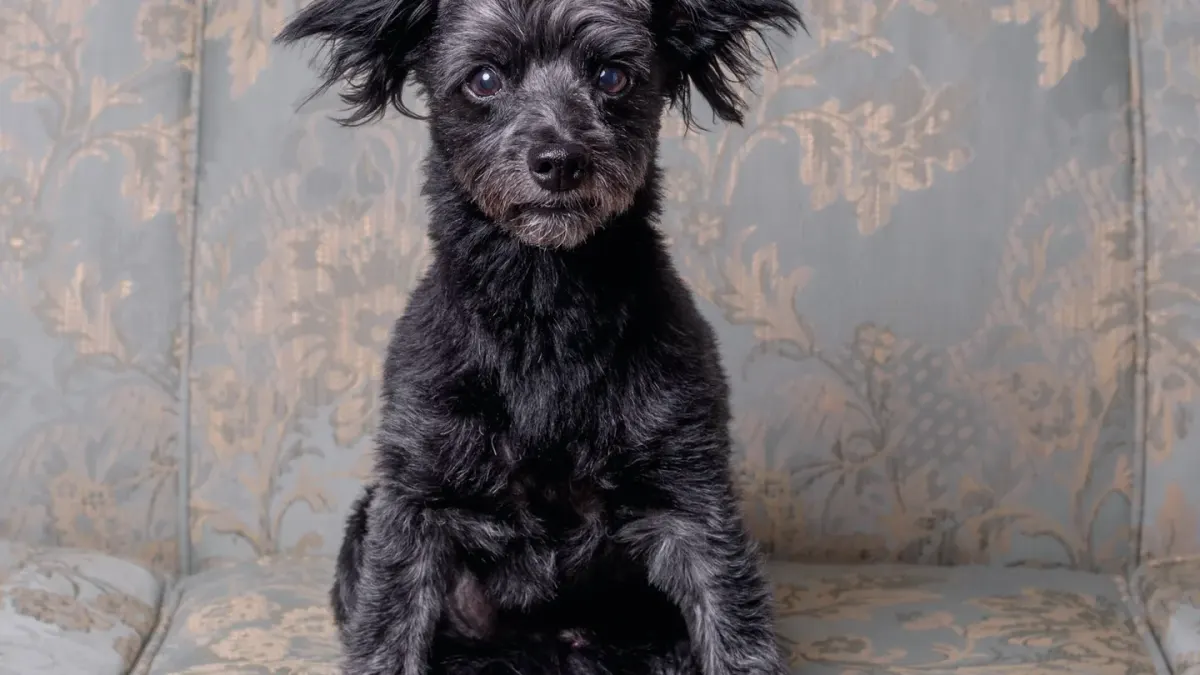
Charles learned this with Schnitzel, his 5-year-old neutered male Maltipoo in Fort Wayne, Indiana. Schnitzel spun and pawed at the door every rainy walk, and wiping felt like wrestling. Charles moved a 24-by-36-inch washable runner against the wall, added a treat jar at his own shoulder height, and practiced a 30-second sit-on-the-mat after every walk for two weeks. The spinning did not vanish, but the pause became predictable enough to clean all four paws.

How muddy paws and wet coats actually cause problems
Wet hair mats faster, damp skin folds stay irritated longer, and grit between toes supports licking that can break the skin barrier. Dogs sweat mainly through paw pads and pant to cool down, so heat and moisture build quickly in a closed entry. A routine that removes debris and dries the coat supports normal skin function rather than treating disease.
Hygiene matters for people too. Entry floors collect soil, road salt, and fecal bacteria tracked in on paws and shoes. Public health guidance from the CDC reminds owners that handwashing after handling pets, food, and waste helps reduce transmission of common germs, which is another reason to keep towels, soap, and a trash bin where you actually use them.
A same-day sequence you can finish in an hour
Work in this order rather than buying bins first.
1. Set the pause spot and the traffic path
Place the non-slip mat where the dog can step onto it without turning sideways in the doorway. Leave at least a leash-length of clear floor so you can circle to the paw station without stepping over the dog. If you also use this entry for strict rest or recovery, keep the layout consistent with a low-stimulation plan like A Quiet Recovery Room Away From Kids and Other Pets.
2. Build a paw-and-coat station at arm’s reach
Keep only what you use every day: microfiber towels or paw wipes, a shallow paw washer or bowl, a slicker or comb appropriate for the coat, and a small jar of pea-sized treats. Wash and fully dry towels between uses. Dry between toes by blotting, not rubbing, and check for burrs, salt clumps, or redness. Be honest where the preventive evidence is thin: paw balms and wipes may help maintain soft pads and remove surface debris, but there are no strong studies showing one formula prevents cracking or allergy flares.
3. Contain leashes, food, and chemicals by height
Hang leashes, harnesses, and a spare slip lead on hooks at your shoulder height so nothing dangles to chew level. Store food and treats in sealed, latched containers off the floor. Move detergents, ice melt, pesticides, and medications to a high latched cabinet. Many common entry plants and household products are hazards if chewed, so cross-check greenery against the ASPCA toxic and non-toxic plant list before decorating a low shelf.
Store poop bags, an extra collar with ID, and a flashlight by the door you use for last-out potty trips. That small kit makes a nighttime routine smoother, similar to the way A First-Week Night Routine for a New Puppy works by reducing fumbling and waiting.
Where owners get this wrong
The most common mistake is too much texture. Shag rugs, loose runners, and piles of shoes trap moisture and invite chewing. Choose one washable low-pile runner, a raised-edge boot tray, and closed shoe storage. Vacuum and mop weekly, more often in mud season.
The second mistake is training only when you are in a hurry.
Practice the entry when you are not leaving. Leash up, step onto the mat, reward a sit or stand, wipe one paw, reward, and release. Keep sessions under three minutes.
Make it fit the dog in front of you
Puppies need empty floor and chew-safe barriers. A new rescue may need a quieter corner and a longer decompression arc, as outlined in A Decompression Room for a Newly Adopted Rescue. Senior dogs need the opposite of clutter: extra traction, a bench or wall to lean on, and no step-over thresholds, consistent with A Room-by-Room Senior-Dog-Proofing Checklist.
For Paula and Seaver, her 3-year-old neutered male Portuguese Water Dog in Chattanooga, Tennessee, the adjustment was drying time. His dense coat held water through two towel passes, so she added a hanging hook for a bathrobe-style drying coat and set a five-minute chew on the mat while he air-dried. That pause reduced shaking and wall splatter without adding heat from a dryer he disliked.
A practical next step is to test your setup on the next three walks: mat, wipe all four paws, dry the belly, hang the leash in the same spot. If you can do it without raising your voice or chasing the dog, the mudroom is organized enough.
Frequently asked questions
Where should a dog mat go in a small mudroom?
Against a wall just inside the door where your dog can step straight onto it without turning sideways. Keep a leash-length of clear floor around it for wiping paws.
How do I keep a dog mudroom from smelling?
Wash towels and mats weekly, dry paws and belly after wet walks, store food in sealed containers, and mop hard floors to remove soil and bacteria.
What should I keep out of reach in a dog-friendly mudroom?
Ice melt, detergents, pesticides, medications, loose food and treats, and dangling leashes or bags that invite chewing. Use high latched storage.
Sources
- Healthy Pets, Healthy People — CDC
- Toxic and Non-Toxic Plants — ASPCA
- Fear Free Happy Homes — Fear Free