On this page
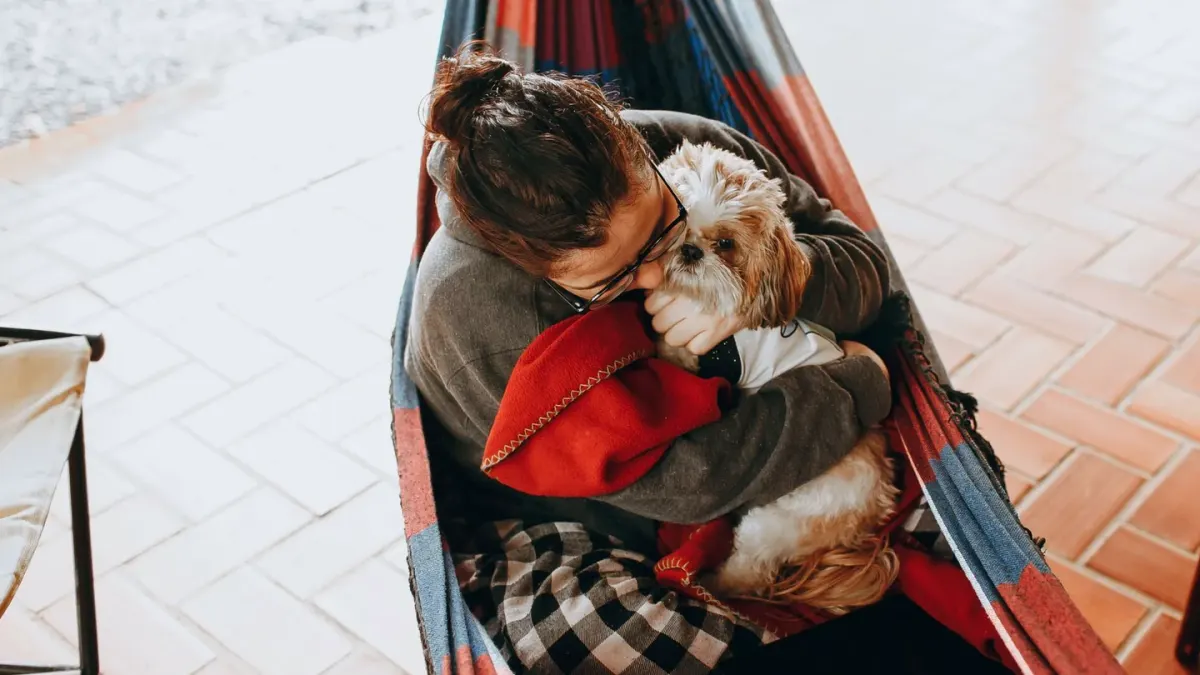
Coming home with a damp dog who curls tight on the mat worries most of us more than the paw prints on the floor. That shiver and tucked posture is comfort asking for help, and a few unhurried minutes of drying may help support warmth and normal skin comfort.
Why a quick towel misses the damp underneath
A towel pressed over the back feels dry quickly because the outer guard hairs shed water first. The softer undercoat and the skin near the belly, armpits, and behind the ears can stay cool and clammy much longer.
That leftover dampness matters for comfort. Dogs lose heat through wet fur, and moisture held against skin can soften the surface and leave it itchy as it dries unevenly. Vets often see mild redness in those tucked-away spots after weeks of rainy walks.
Goji, an 8-year-old neutered male Morkie mix from Chula Vista, shows how subtle this looks. His owner Dana noticed he took 40 minutes to settle after a 15-minute drizzle walk, shifting on his bed and licking one front paw. His back felt dry to her hand, while his chest and feet were still cool to the touch.
The myth that shaking finishes the job
A full-body shake removes a surprising amount of surface water, which makes it easy to trust it did the whole task. Shaking mostly clears the outer coat while the base of the coat stays damp.
Rubbing hard with a towel has the same gap. It moves water around on top and can tangle longer or curly coats, which then dry into mats that pull. Pressing and squeezing is kinder and more thorough.
What helps instead is layered drying that works toward the skin. Guidance on gentle bathing and drying from ASPCA notes the same principle used after a bath: blot first, then use mild airflow, and avoid high heat near skin.
Patting dry may feel slower in the moment, and it protects comfort later.
A gentle drying sequence for after a walk
Start at the door before your dog settles on bedding. Keep your hands calm, watch breathing and body softness, and pause if handling a spot causes flinching.
Set a dry mat or towel by the entry, shake off loose rain from leash and collar, and lift paws one at a time to check for mud, small twigs, or redness between the toes. Wipe paws with a damp cloth if they are gritty, then blot dry.
Work from the belly outward. Press a large, absorbent towel against the chest, legs, and underside for several seconds per spot rather than rubbing back and forth. Change to a dry section of towel when the first section feels saturated. For dense or curly coats, squeeze small sections inside the towel, then gently separate the fur with fingers so air can reach the skin, a habit that also helps between sessions described in How to Groom a Poodle’s Curly Coat at Home.
Add low, warm air only if the coat still feels cool at the roots. Hold a dryer on its lowest warm setting at least a foot away, keep it moving, and test the air on your own wrist first. Short-haired dogs often finish with toweling and ten minutes in a warm, draft-free room, while longer coats may need a few more towel passes plus brief airflow.
Finish with a nose-to-tail check. Look at ears, skin folds, collar area, and feet for lingering dampness, odor, or pink skin. A fuller post-bath routine follows the same order, with more detail in The Right Way to Dry a Dog After a Bath.
When damp fur is not just damp fur
Most walk-day dampness resolves once fur feels warm and dry to the roots and your dog settles, eats, and moves normally. Comfort-first care means noticing when that does not happen.
Call your veterinarian if damp skin stays red, smells musty, feels greasy or scabby, if your dog keeps scratching or chewing one spot, or if shivering lasts after warming. Senior dogs, very small breeds, and dogs with thin coats chill faster and deserve extra time near warmth.
Where does this leave a busy evening routine? Towel deeply, use only gentle warmth, and let full dryness be the goal rather than a quick fix. What would change if you checked the undercoat first, before deciding your dog was done?
Sources
- Dog Grooming Tips — ASPCA