On this page
A cover can feel dry to your hand while the middle is still holding water, and that hidden dampness is what makes a dog circle and then walk away. Dogs notice what we miss with our fingertips, the cool, heavy spot that smells faintly musty and never quite warms up.
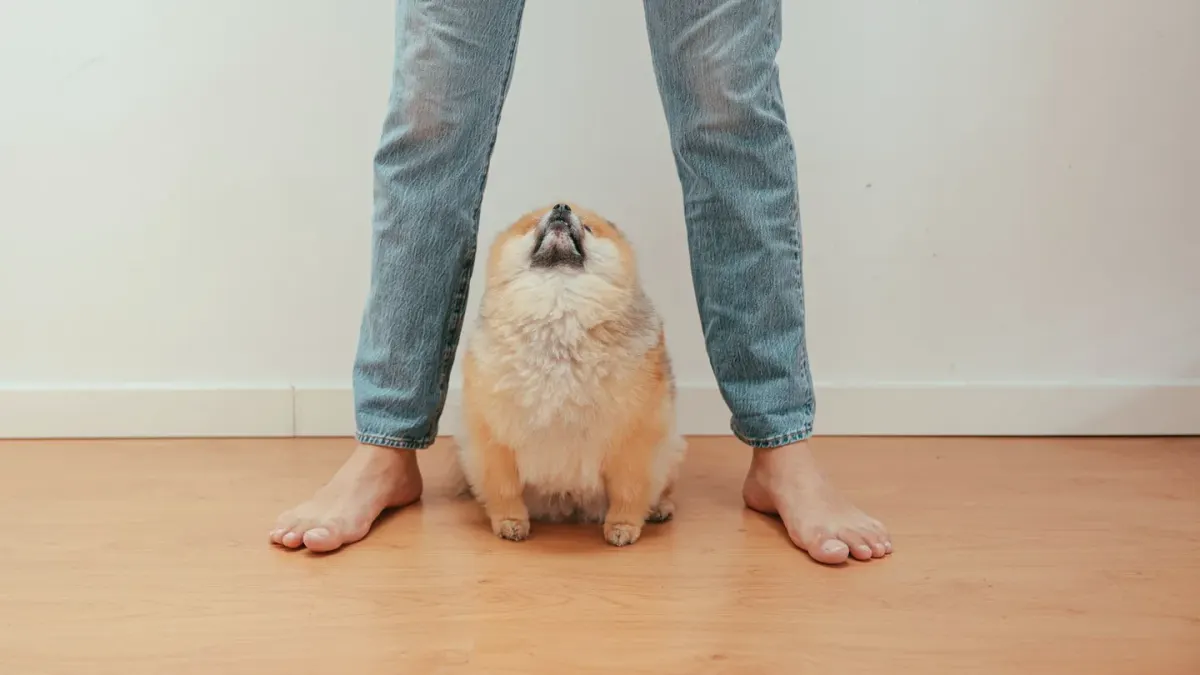
Audrey learned this with Toshi, her 10-year-old Pomeranian mix in Lakewood, after she washed his donut bed on a Saturday and gave it three hours on the porch. The top felt fine, so she put it back in his corner, but he sniffed and settled on the bare floor instead. When she lifted the bed and pressed her whole palm deep into the seam, the filling was still cool and clumped after that single wash.
That cool center matters for comfort and for the home. The U.S. Environmental Protection Agency explains that mold can grow on soft furnishings when moisture sits for a day or two, which is why thorough drying is part of cleaning rather than an extra step. The Centers for Disease Control and Prevention notes a similar point about keeping indoor materials dry to limit mold growth and musty odor. A dog bed, with its layers of fill and seams, holds moisture longer than a towel does.
Why a surface check misses the damp middle
Most beds dry from the outside in. The cover wicks and air-dries first, the tufts and piping stay wet longer, and foam or recycled fill can trap water in pockets you cannot see. Shaking the bed helps here because it breaks up those pockets before you add heat or airflow.
Weight is a better guide than color. Lift the bed after washing and notice how heavy it feels, then compare it later as it dries. A faint coolness against your wrist or forearm, pressed into the thickest seam for ten seconds, often finds dampness your fingertips miss.
Why heat alone often leaves beds half-done
It is tempting to run one hot dryer cycle and call it finished, especially with a busy household. Heat can set the outer fibers while the core stays damp, and high heat can also shrink covers or damage waterproof liners.
The U.S. Department of Energy advises using lower heat settings and good airflow for efficiency and fabric care, along with cleaning the lint filter to keep air moving. That guidance fits dog beds well, where steady airflow through separated layers does more work than a short blast of heat.
Separating the parts is what lets air reach the middle. Wash and dry the outer cover on its own when the design allows, and give inserts, bolsters, and foam pads their own space. For general timing on washing, it helps to follow the rhythm described in How Often Should You Wash and Replace a Dog Bed?
A drying order you can use today
Start with the washer, not the dryer. Run an extra spin cycle if the bed allows it, then press layers between clean towels rather than wringing foam, which can tear. Shape the bed back into form so fill does not dry in one hard lump.
Then move through layers with patience. Shake inserts outdoors or over a tub, stand foam on edge so both faces meet the air, and turn bolster beds inside out halfway through when the label permits. A fan set across the room, not blowing straight dust onto the bed, keeps air moving without overheating one spot.
Use low to medium heat in short intervals for fabric inserts, with a couple of clean tennis balls or dryer balls to keep fill from clumping. Take the bed out between intervals, fluff by hand, and rotate which side faces up. Finish with air time even when the dryer says dry, an hour or two on a rack keeps that last trace of coolness from settling back in.
Sunlight may help freshen odor, but long, hot sun can fade fabric and break down foam. A shaded breezy spot or a room with open airflow is gentler. This is the same principle behind The Right Way to Dry a Dog After a Bath, where full dryness comes from checking skin and undercoat rather than stopping at a dry-looking top layer.
The test is simple. The bed should feel the same temperature throughout, spring back when you press and release, and smell like clean fabric with no sour note at the seams. If you find a cool patch, keep drying that section alone.
Where I land on comfort
A quick fix gets the bed back on the floor. Comfort keeps the dog on the bed through the night. Taking the extra turn, the extra fluff, and the extra hour of air may help support rest that is settled and warm all the way through, which matters most for older dogs and for any dog that runs cool after a wash.
If dampness keeps returning, or the fill stays lumpy and sour after full drying, that may be a sign the bed has reached the end of its life rather than a failure in your routine. Replacing worn fill or the whole bed can be the kinder choice.
Frequently asked questions
How do I know a dog bed is fully dry inside?
Press your wrist into the thickest seam for ten seconds. It should feel room-temperature and springy throughout, with no cool, heavy spot and no musty smell.
Can I put a foam dog bed in the dryer?
Most solid foam should air-dry on edge with good airflow, since dryer heat can warp or crumble it. Check the care label and use the dryer only for removable fabric covers and loose-fill inserts made for tumbling.
Sources
- A Brief Guide to Mold, Moisture and Your Home — U.S. Environmental Protection Agency
- About Mold — Centers for Disease Control and Prevention