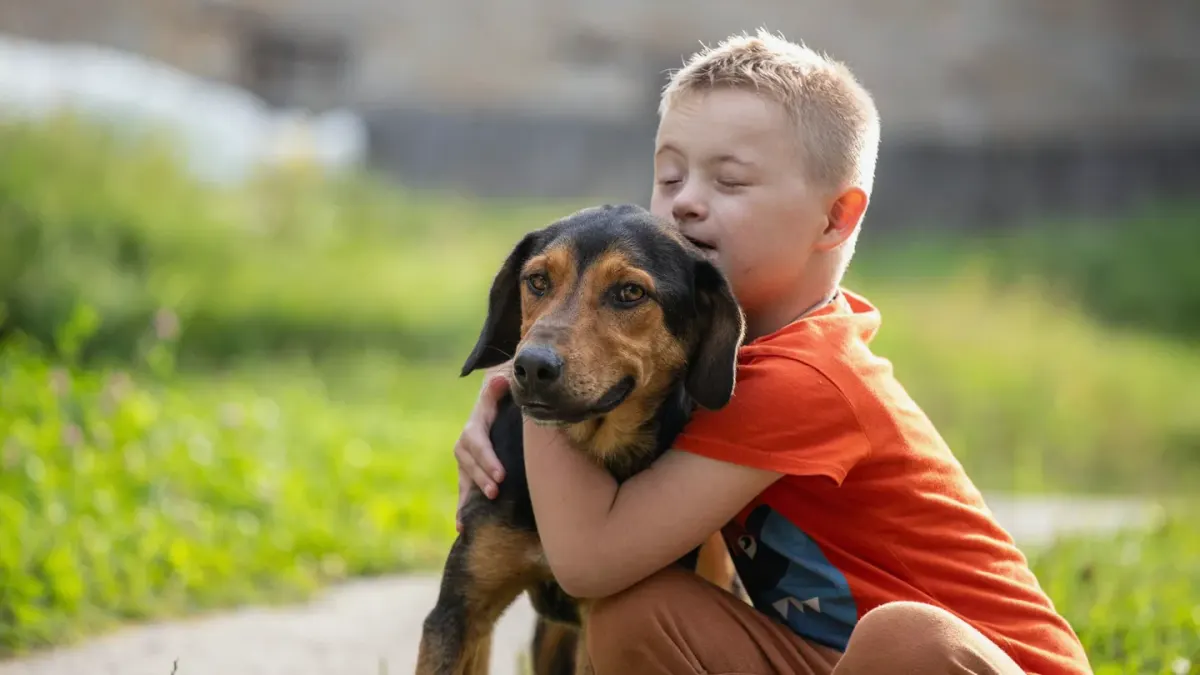
Rebecca noticed it on a quiet afternoon in Chattanooga when her 6-year-old spayed Portuguese Water Dog mix, Carly, woke from a three-hour nap on the rug with a nose that felt warm and papery instead of its usual cool dampness.
Carly wagged, stretched, drank half a bowl of water, and nudged for her walk like nothing was wrong, which left Rebecca wondering if that one dry touch meant a fever or just sleep. Vets often see that same worry, because many owners were taught that wet equals healthy and dry equals sick.
Dry does not mean sick.
Why Nose Wetness Alone Tells You So Little
A dog’s nose cycles between damp and dry all day. Sleep, warm air from a vent, sunbathing by a window, light dehydration after play, and simply not licking for a while can all leave the surface temporarily dry. Then one round of licking or a drink of water brings the moisture back.
That fluctuation is normal dog behavior, and it is why touch-testing for wetness is a poor health check on its own. What matters more for daily care is supporting normal nasal structure and function: intact skin, comfortable breathing, and a stable pattern you recognize for your own dog.
The Merck Veterinary Manual describes how varied nasal signs can be in dogs, from discharge and sneezing to changes in the nasal surface, which helps explain why one moment of dryness carries so little weight without other changes.
What Deserves Attention Instead of Wetness
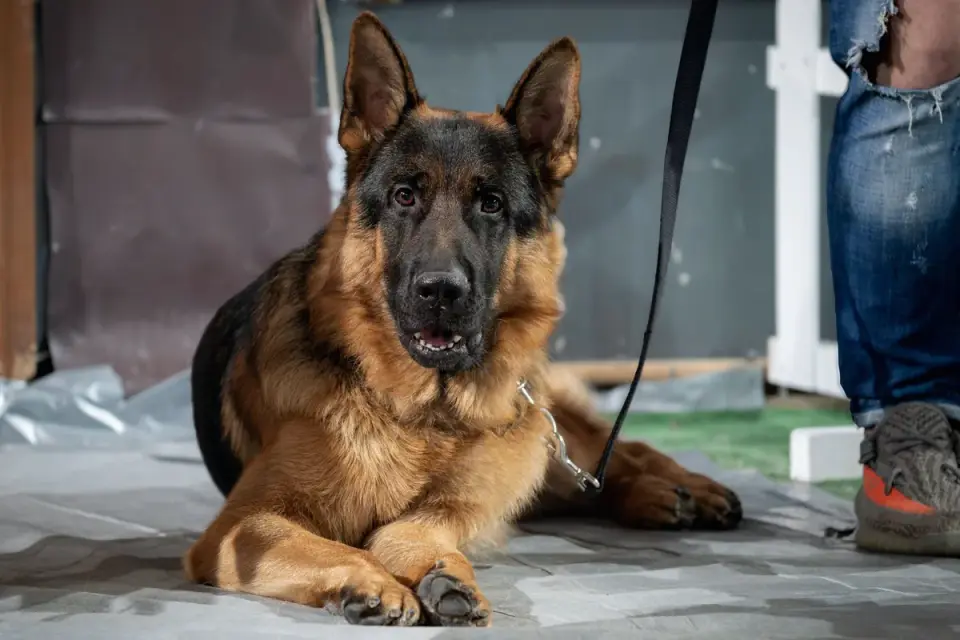
Forget trying to grade dampness with your fingertip. Look at the nose the way you look at paws or teeth during home care: compare today to your dog’s normal, and watch for a shift that sticks around.
Texture that stays changed
A nose that is briefly dry after rest but smooths out again is different from one that stays rough, thickened, or crusty for days. Persistent cracking, flaking that lifts off, sores along the top edge, or a dry, cobbled surface that does not soften may help maintain concern about irritation, sun exposure, or skin changes that need in-person care.
In day-to-day practice, the pattern I trust is persistence. One dry afternoon means little. The same rough patches in the same spot for a week means more.
Color that is new for your dog
Many dogs have black, brown, pink, or spotted noses, and slow pigment shifts with season or age can be normal for some individuals. The evidence here is thin, and I stay honest about that limit. What is clearer is that a sudden loss of pigment with redness, swelling, or sores, or a pale or yellow tinge paired with lethargy, deserves a prompt call rather than watchful waiting.
Take a phone photo in daylight once Carly is back to normal so you have a baseline. Comparison beats memory.
Discharge, sneezing, and breathing effort
Discharge tells a clearer story than dryness. A little clear, watery moisture is common, especially after sniffing or excitement. Thick yellow or green mucus, bloody discharge, discharge from one nostril only, repeated sneezing fits, noisy breathing, pawing at the face, or loss of smell during meals points toward irritation, a foreign body, or infection that supports a vet visit.
The American Veterinary Medical Association canine influenza resource notes that nasal discharge, especially when paired with other signs, should be evaluated rather than monitored at home alone.
A Same-Day Check You Can Do at Home
Use this short sequence when you notice dryness, ideally when your dog is calm after a potty break. It takes about five minutes and fits into the same routine as toweling paws after rain, much like The Right Way to Dry a Dog After a Bath fits into bath day.
1. Watch behavior first. Note energy, appetite, thirst, and breathing at rest. A dog eating, drinking, and moving normally with a dry nose is reassuring. Lethargy, refusal of food, coughing, or open-mouth breathing at rest shifts the priority.
2. Look, then touch lightly. In good light, check for symmetry, color changes, cracks, crusts, and any discharge. Touch once with the back of your hand rather than rubbing the surface, which can irritate dry skin.
3. Offer water and a short reset. Offer fresh water, wipe away plain dust with a damp cloth, and give your dog 30 to 60 minutes. Skip balms, oils, sunscreen, or human moisturizers unless your veterinarian has recommended a specific product for your dog.
4. Log what you see. Write down when the dryness started, whether it is constant or comes and goes, and any other signs. That simple note helps your vet sort a passing change from a trend, similar to how a rest log helps during recovery in A Confinement-and-Comfort Plan for Strict Rest Orders.
Where I land after seeing this question so often: track texture, color, and discharge, not wetness. That approach may help maintain calm at home while still catching the changes that count, and it leaves room for the honest exception — a dog with persistent crusting, sores, bloody or one-sided discharge, or trouble breathing should be seen promptly even if the nose feels wet.
Frequently asked questions
Can a healthy dog have a dry nose?
Yes. Healthy dogs often have a temporarily dry nose after sleeping, warming up indoors, or playing, then return to damp after drinking or licking. Look for lasting changes in texture, color, or discharge rather than wetness alone.
When should I call the vet for nose changes?
Call promptly for persistent crusting or sores, sudden color change with swelling, thick yellow-green or bloody discharge, discharge from one nostril, repeated sneezing fits, noisy breathing, or dryness paired with lethargy, appetite loss, or fever signs.
Sources
- Canine Influenza — American Veterinary Medical Association